Application overview

Culinary Coatings & Batters

Vegetable powders for industrial coatings, breadings and batter systems

Vegetable powders provide concentrated savory flavor, natural vegetable solids and color in low-moisture formats that can be incorporated directly into breadings, predusts, batters, seasoning coatings and other dry culinary systems.

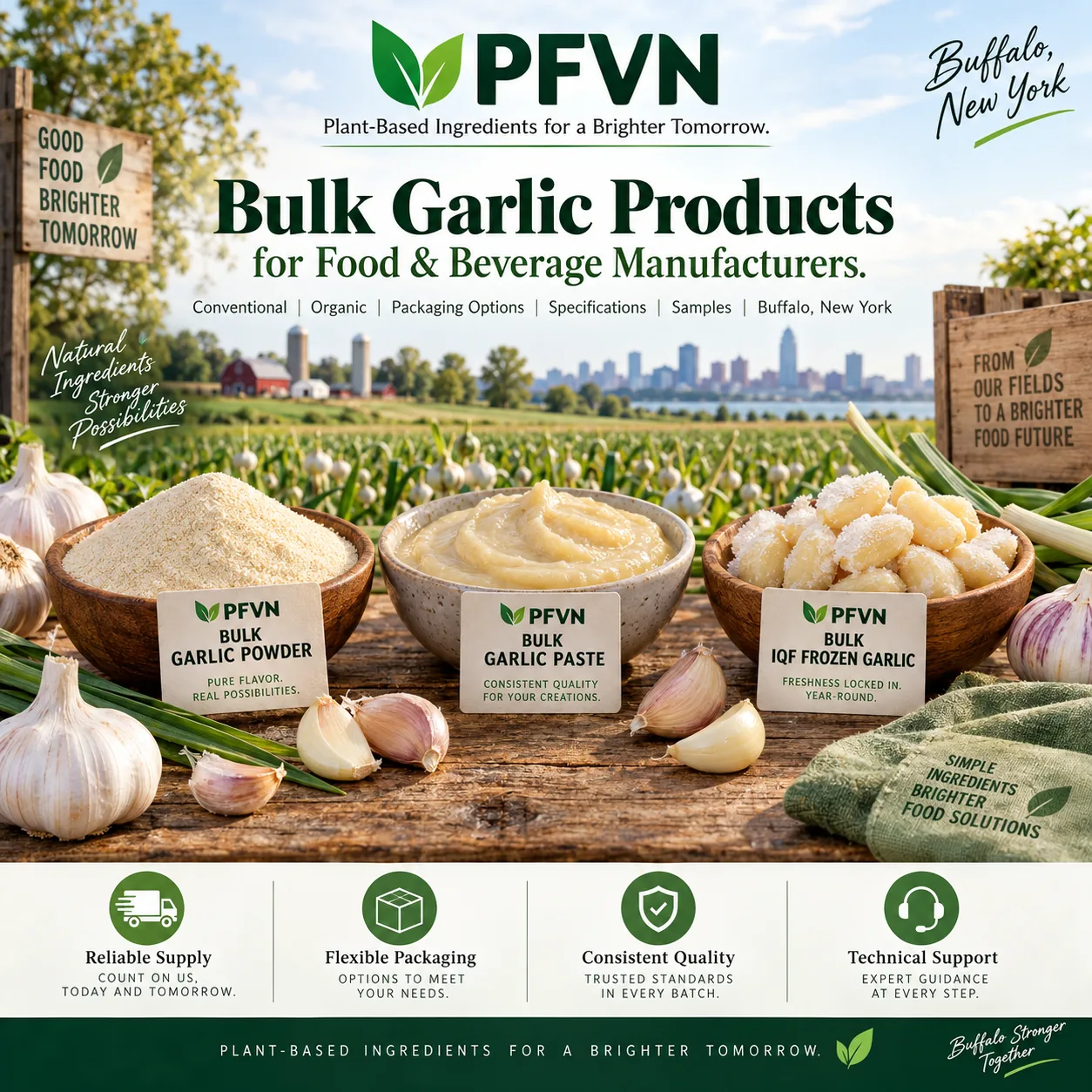
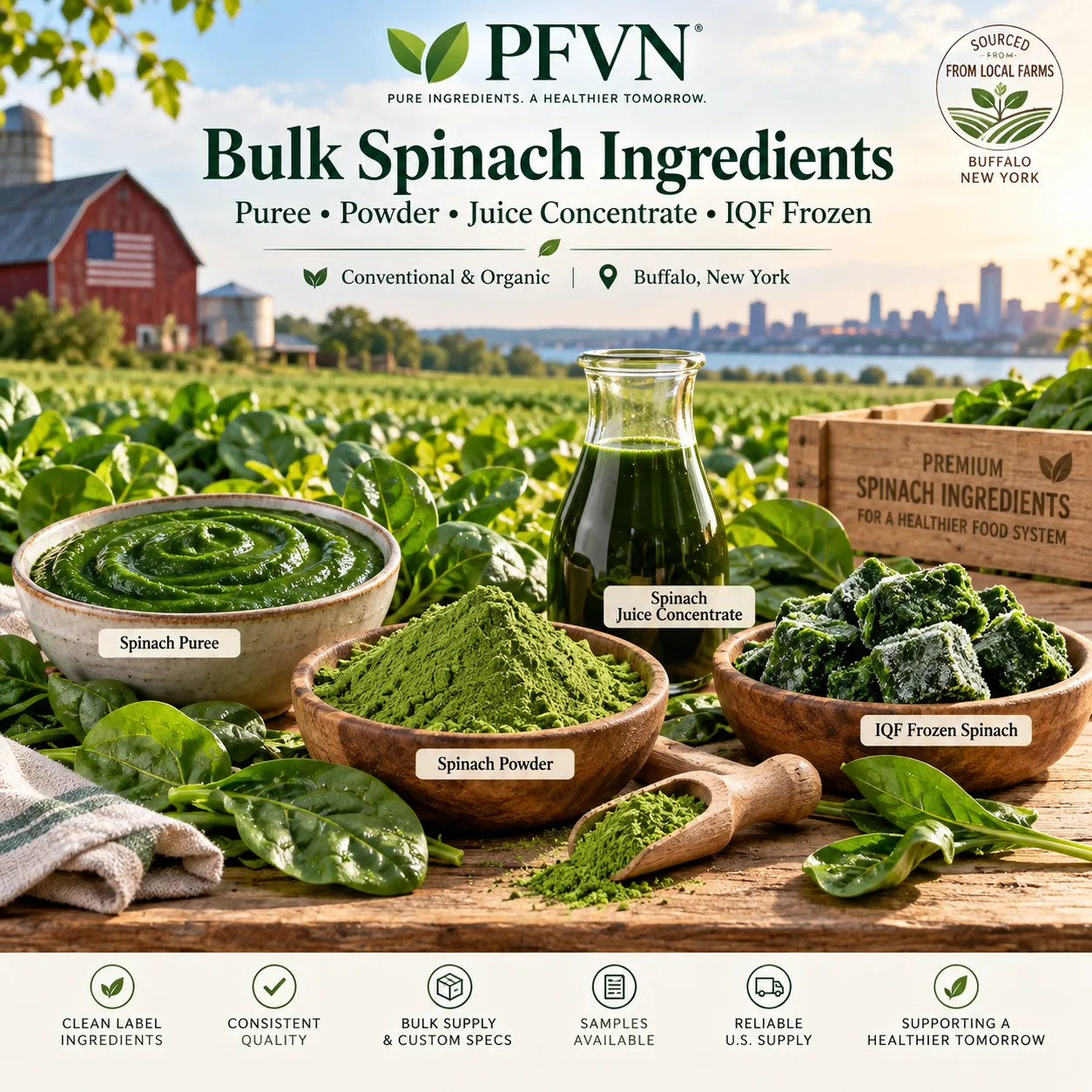
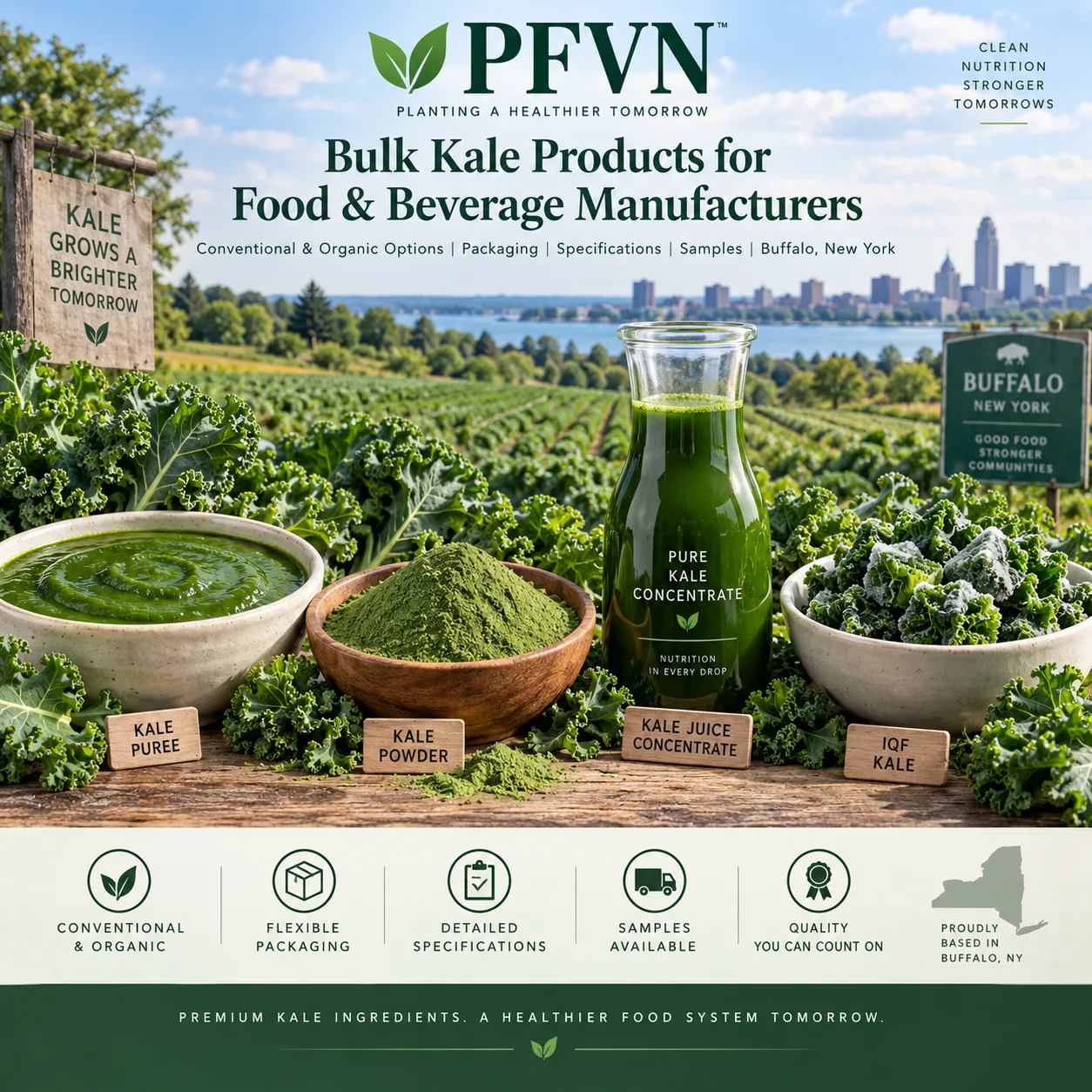
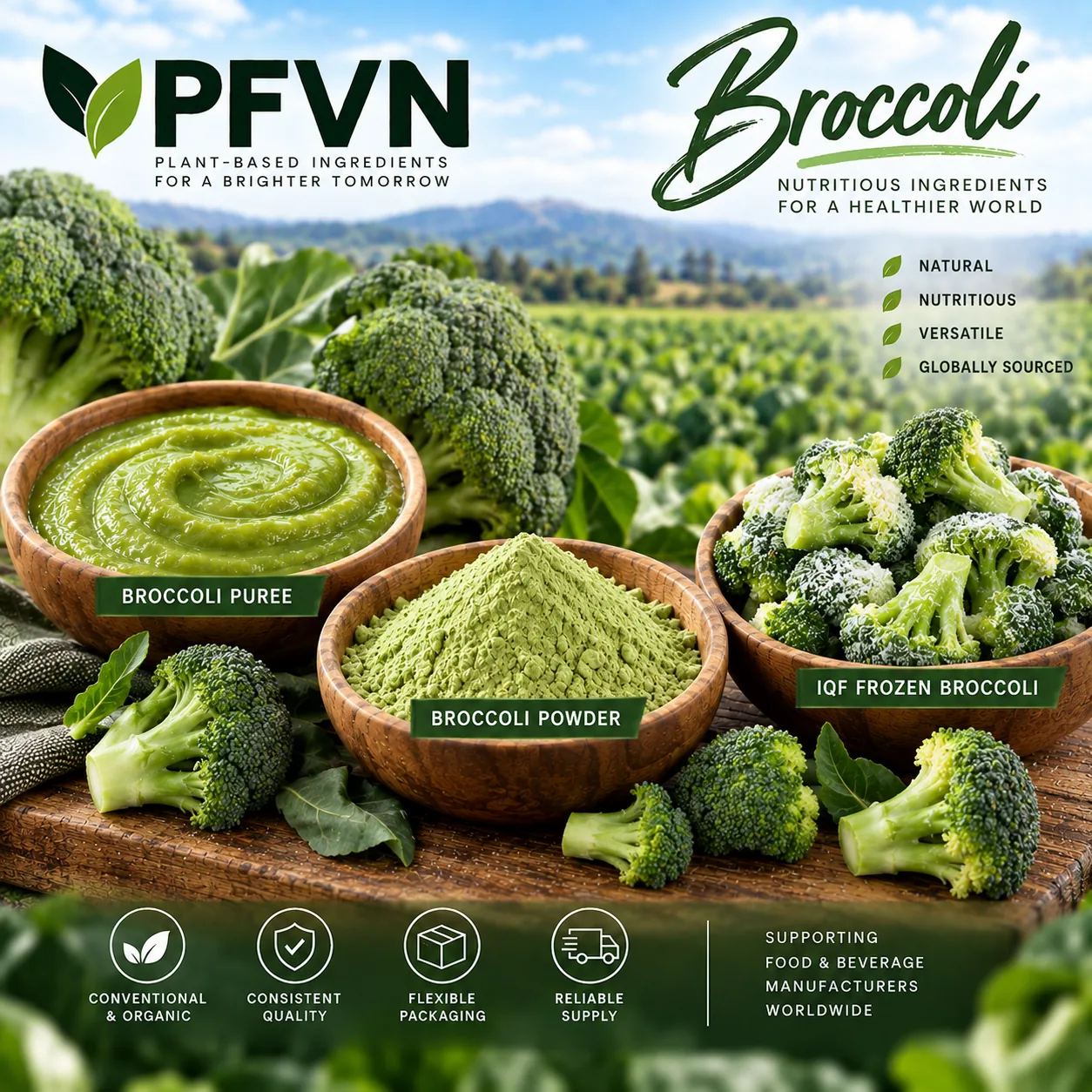
Ingredients such as onion and garlic powders are primarily used for aromatic savory flavor, while spinach, kale and broccoli can contribute green vegetable character and natural color. Pumpkin can provide orange color, mild sweetness and vegetable solids, while cauliflower offers a comparatively mild vegetable profile. Celery powder can contribute characteristic celery notes in savory formulations.

Because these ingredients are produced from agricultural raw materials, variety, maturity, processing method and drying conditions can influence flavor intensity, pigment stability, moisture, particle structure and bulk density. Commercial approval should therefore be based on a defined powder specification rather than the vegetable name alone.

Define the function of the powder before selecting a grade

A powder used mainly for seasoning may require strong flavor at a relatively low inclusion level, whereas a powder intended to provide color or vegetable solids may be incorporated at a higher rate. Particle size also matters: very fine powders can distribute evenly but may create dust, while coarser powders can affect surface appearance, dry pickup and finished texture.

The correct powder should be evaluated in the complete coating or batter formulation because salt, starch, flour, protein, leavening agents, spices and other ingredients can change flavor perception, hydration and adhesion.
Qualification reminder: Vegetable powder characteristics vary by raw material, origin, drying method, particle size and supplier. Confirm the actual technical specification, ingredient declaration, microbiological limits, packaging, storage conditions, shelf life and certification requirements before commercial approval.
Ingredient characteristics

How vegetable powders contribute to coatings and batters

Each vegetable contributes a different combination of aroma, color, solids and savory character. Selection should be based on the role the ingredient must play in the finished coating rather than simply on the vegetable name.

Aromatic vegetables Onion & garlic

Provide concentrated savory aroma and flavor and are widely used in breadings, batter mixes, seasoning systems and prepared-food coatings.

Herbaceous profile Celery

Contributes characteristic vegetal and celery notes and can support savory seasoning profiles for meat, poultry, vegetable and snack-style coatings.

Leafy greens Spinach & kale

Supply green vegetable identity and natural green pigments. Color should be evaluated after frying or baking because heat can change the visual profile.

Brassica vegetables Broccoli & cauliflower

Broccoli provides stronger green vegetable character, while cauliflower is generally milder and can contribute vegetable solids with less color impact.

Orange vegetable Pumpkin

Offers orange-yellow color, mild sweetness and vegetable solids that can support specialty coatings, batters and bakery-style savory systems.

Crop variation Origin & processing

Vegetable maturity, raw-material quality and drying conditions influence flavor, color and final powder behavior. Approve representative commercial material whenever these characteristics are critical.

Technical specification

Critical parameters for vegetable powder qualification

Powder specifications should control the attributes that influence dry handling, blend uniformity, adhesion, hydration and finished sensory performance.

Moisture Moisture content

Excess moisture can increase caking, reduce flow and shorten practical shelf stability. Confirm the applicable limit for the specific powder and packaging system.

Stability Water activity

Where relevant, water activity can provide additional information about available moisture and physical or microbiological stability.

Particle profile Particle-size distribution

Particle size influences dust generation, blend segregation, surface coverage, hydration and visual appearance on the finished coated product.

Density Bulk density

Bulk density affects volumetric feeding, package utilization and segregation when the powder is blended with flour, starch, salt and other dry ingredients.

Flow Flowability & caking

Evaluate powder flow under realistic plant humidity because hygroscopic powders can bridge in hoppers or compact during storage.

Composition Carrier / ingredient declaration

Confirm whether the material is a single-ingredient vegetable powder or contains carriers, processing aids or other declared components.

Sensory Flavor intensity

Approve the powder at its intended inclusion rate after frying, baking or other final cooking because thermal treatment can substantially change flavor.

Appearance Color stability

Evaluate dry powder color and finished coating color after cooking, since green and orange vegetable pigments can respond differently to heat and storage.

Coating performance

Control adhesion, pickup and finished coverage

Vegetable powders can influence both the sensory profile and physical behavior of a coating system. Fine particles may fill spaces between larger breading components, while higher powder use levels can change water demand, batter viscosity and dry pickup.

Evaluate the powder through the full process—predust, batter, breading, frying or baking—because a dry blend that appears uniform can behave differently once exposed to water, oil and heat.

Important process variables

  • Powder inclusion rate
  • Predust composition
  • Batter viscosity
  • Water-to-dry ratio
  • Dry pickup
  • Adhesion to substrate
  • Breading particle distribution
  • Fry or bake temperature
  • Cook time
  • Finished color and flavor
Dry-system engineering

Control particle behavior from blending to line application

Vegetable powders can differ significantly in particle size, density, hygroscopicity and flow. These differences affect dosing accuracy, dust generation, blending uniformity and the risk of separation during conveying or storage.

Flow Hopper & feeder behavior

Review bridging, compaction and dust under realistic plant conditions, particularly with fine or moisture-sensitive powders.

Blend Reduce segregation

Large differences in particle size or density between vegetable powder and the surrounding flour or seasoning system can cause separation after blending.

Dosing Maintain addition accuracy

Confirm that the powder feeds consistently through manual or automated dosing equipment at the intended inclusion rate.

Hydration Evaluate batter response

Where the powder enters a wet batter, monitor wetting, clumping and its effect on viscosity over the normal production hold time.

Adhesion Check surface retention

Powder particle size and inclusion level can influence how evenly the seasoning remains on the coated product before and after cooking.

Color Maintain visual uniformity

Uniform dispersion is particularly important for green, orange and strongly colored vegetable powders because localized concentration can be visually obvious.

Industrial applications

Where vegetable powders are used in coatings and batter systems

Vegetable powders are used wherever manufacturers need concentrated savory flavor, natural vegetable color or dry vegetable solids without introducing the water associated with puree or juice.

Poultry

Breaded Chicken Products

Onion, garlic, celery and vegetable powders can be incorporated into predusts, batters and breadings for nuggets, tenders, fillets and other poultry products.

Seafood

Fish & Seafood Coatings

Dry vegetable powders can support savory flavor systems in breaded fish, shrimp and other coated seafood products.

Vegetables

Coated Vegetable Products

Vegetable powders can reinforce flavor and color in battered onion rings, cauliflower, broccoli and other coated vegetable applications.

Plant based

Plant-Based Meat Alternatives

Onion, garlic, leafy-green and other vegetable powders can support savory coatings for plant-based nuggets, patties and appetizer products.

Cheese

Breaded Cheese & Appetizers

Vegetable powders are suitable for flavored breadings used on mozzarella sticks, cheese bites and other fried or baked appetizers.

Foodservice

Seasoned Batter Mixes

Dry blends containing vegetable powders can be supplied as standardized foodservice batter or breading systems for consistent preparation.

Frozen foods

Frozen Breaded Products

Vegetable powders can be formulated into coatings designed for par-fried or fully cooked frozen products that are later reheated by the consumer.

Snack applications

Savory Crunch & Coated Snacks

Fine vegetable powders can also contribute flavor and color to selected cereal, nut, pulse and extruded snack coating systems.

Qualification pathway

From bench coating to production line

A representative powder sample is useful for initial screening, but commercial approval should connect the sample to measurable incoming limits and finished coating performance.

Recommended approval stages

  1. Review the technical specification and ingredient declaration.
  2. Evaluate representative powder for color, aroma, flavor and flow.
  3. Confirm moisture, particle size and composition.
  4. Prepare the dry blend at the intended inclusion level.
  5. Test predust, batter or breading performance on the intended substrate.
  6. Run a pilot using production-representative coating and cooking conditions.
  7. Evaluate finished adhesion, color, flavor, crispness and storage stability.
  8. Lock the commercial powder specification, packaging and documentation requirements.

Record the powder lot, use level, blending sequence, water ratio, pickup and cooking conditions during successful trials. These records help identify which incoming powder properties need the tightest commercial control.

Fry & bake performance

Evaluate vegetable powders after the final cooking process

The final sensory result is created during cooking, not in the dry blend. High temperatures can alter vegetable aroma, darken sugars and pigments and change the perceived intensity of garlic, onion, leafy-green and other vegetable notes.

Frying Check oil-process stability

Evaluate color and flavor after the actual frying time and temperature, including any par-fry and final reheating stages.

Baking Review dry-heat response

Baked coatings may develop different color and aroma than fried products, so the same powder level may not give equivalent sensory results.

Color Watch browning

Natural vegetable sugars and pigments can influence browning, particularly at higher powder inclusion rates.

Aroma Approve cooked flavor

Garlic and onion aroma can change substantially during cooking; approve the final product rather than relying on dry-powder sensory evaluation alone.

Adhesion Check retention after cooking

Measure coating loss, bare spots and breading retention after frying, baking, freezing and reheating where relevant.

Crispness Monitor moisture migration

Vegetable solids may alter water absorption and finished texture, so crispness should be checked through the intended holding or frozen-storage period.

Packaging & plant handling

Protect vegetable powders from humidity and contamination

Vegetable powders are commonly supplied in food-grade lined bags, bag-in-box systems or fiber drums. Moisture protection is especially important because hygroscopic powders can cake, compact or lose flowability after exposure to humid air.

Packaging should also support safe and efficient plant charging. Confirm that net weight, liner design and pack dimensions fit the plant's manual or automated handling system.

Barrier Protect against moisture

Confirm liner and package barrier performance for powders that are sensitive to humidity or caking.

Open packs Control partial-container exposure

Define how opened bags or drums are resealed, identified and consumed to minimize moisture pickup and contamination risk.

Usage rate Match pack size to batch consumption

A suitable pack reduces partial-bag handling while avoiding excessive numbers of small containers on the production floor.

Charging Review dust control

Fine powders can become airborne during opening and mixer charging, so line design and operator procedures should consider dust management.

Storage Keep dry and protected

Follow the supplier's recommended temperature and humidity conditions and keep powders away from unnecessary moisture exposure.

Logistics Compare pallet efficiency

Net weight, bag dimensions, pallet configuration and freight density all influence delivered commercial cost.

Troubleshooting

When coating or powder performance changes

Compare powder data, storage conditions, blend records and line settings with the approved production benchmark before changing the formulation.

Development check

Powder cakes in storage

Review incoming moisture, liner integrity, warehouse humidity and exposure after the package is opened.

Development check

Dry blend separates

Compare particle size and bulk density of the vegetable powder with flour, starch, seasoning and other components.

Development check

Batter becomes too thick

Check powder inclusion rate, water absorption, hydration time and total solids against the approved formula.

Development check

Coating does not adhere

Review substrate surface condition, predust, batter viscosity, dry pickup and particle distribution.

Development check

Color is uneven

Check powder dosage, dry-blend uniformity, particle segregation and line application consistency.

Development check

Flavor varies between lots

Compare raw-material origin, powder age, moisture, sensory intensity and process conditions against the approved benchmark.

Quality & documentation

Dry-system QA and supplier documentation

The commercial specification should identify the powder properties that influence blending, coating performance and finished sensory quality. Supplier documentation should correspond to the actual vegetable powder and production source being offered.

  • Current technical specification
  • Ingredient declaration
  • Carrier declaration where applicable
  • Certificate of Analysis where applicable
  • Moisture specification
  • Particle-size information
  • Microbiological specification
  • Allergen statement
  • Country-of-origin information
  • GMO-status documentation where required
  • Organic or other certifications where applicable
  • Storage, shelf-life and packaging specification
Commercial evaluation

Compare cost together with flavor strength and process performance

Vegetable powder prices can vary according to raw material, drying method, origin, particle size, composition and packaging. The most economical ingredient is the one that achieves the required flavor, color and processing performance at a practical use level.

Dosage Compare cost in the finished formula

A more concentrated powder may justify a higher kilogram price if a lower inclusion level achieves the target sensory result.

Composition Review actual vegetable solids

Compare ingredient declarations and carrier systems where products are not compositionally equivalent.

Yield Account for handling loss

Dusting, bag residue and transfer losses can influence effective powder consumption in commercial production.

Crop Consider agricultural supply

Raw-material availability, crop quality and processing capacity can influence price and lead time for vegetable-derived powders.

Pack size Match purchasing to consumption

Commercial packaging should suit normal batch size and inventory rotation rather than create long periods of partial-pack storage.

Logistics Calculate delivered economics

Freight density, pallet configuration, shipment quantity and warehouse requirements should be included when comparing suppliers.